Flour mills
Stone grinding once cost women over 20 hours a week and broke teeth on grit. 27 modern mills now do it in under 30 minutes — transforming the days of 260,000 people.
Rural northwest Ethiopia · Est. by Adugnaw Worku
Zoz Amba Foundation partners with community leaders, faith groups, and local agencies to support sustainable development in rural Ethiopia — clean water, flour mills, education, and health — with special emphasis on women and girls.
0
lives transformed by 27 modern flour mills, freeing women from stone grinding
0
blind farmers who got their sight back through cataract surgery
0
people displaced by war given food, oxen, and a way home
0
people given clean drinking water from eight new wells
Our mission
In the villages of northwest Ethiopia, a girl's day can begin before sunrise at a stone grinder and end hauling water from a drying creek. Distance — from mills, from wells, from schools, from clinics — quietly decides her future.
Zoz Amba Foundation works to close that distance. We partner with community leaders, faith groups, local government agencies, and NGOs so that every project is owned by the people it serves. Our vision: empower women and girls by ending female circumcision, early marriage, and illiteracy — and by providing clean water, flour mills, and training in basic health and hygiene.
“Helping people work together towards a more empowered and satisfying life.”
The work
Since 2016, every program has answered a need named by the community itself — and every number below is real, counted work.
Stone grinding once cost women over 20 hours a week and broke teeth on grit. 27 modern mills now do it in under 30 minutes — transforming the days of 260,000 people.
Where 90% drew water from rivers carrying cholera and typhoid, eight wells now serve 74,000+ people. One struck water at 30 liters per second — more than hoped.
Distance keeps rural girls out of secondary school. Three dormitories — each housing 60 girls and a dorm mother — give 180 students a safe place to stay and study.
Without sanitary products, girls miss school and fall behind. 14,080 young women have been trained to sew reusable pads from local materials — many now earn a living teaching others.
Food assistance reached 80,000 people displaced by war; 136 families were resettled with oxen and seed, and 90 households received goats that have since multiplied tenfold.
Working with three university medical centers, mobile clinics restored sight to 10,091 blind farmers and fitted 20,000 more with reading glasses — freeing the children who had guided them.
A new high school in Gela Matebia serves close to 1,000 students a year where 90% of eighth-graders once dropped out. Two rebuilt elementary schools add 4,000 more.
A vocational school in Ebinat trains young people in metallurgy, construction, electronics, and textiles — graduates hired by government and business, or starting their own.
The foundation's newest work. So far in 2026, 125 children have been reunited with their families and 30 teenagers given housing and job training — 355 supported in all.
From the field
Every photograph below was taken in the highlands of northwest Ethiopia — the wells, the schools, the herds, the children. Real places, real people, real work.
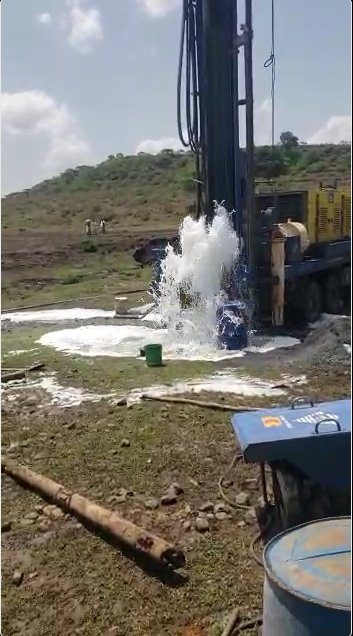
The moment the well struck water — 30 liters per second, more than was hoped.
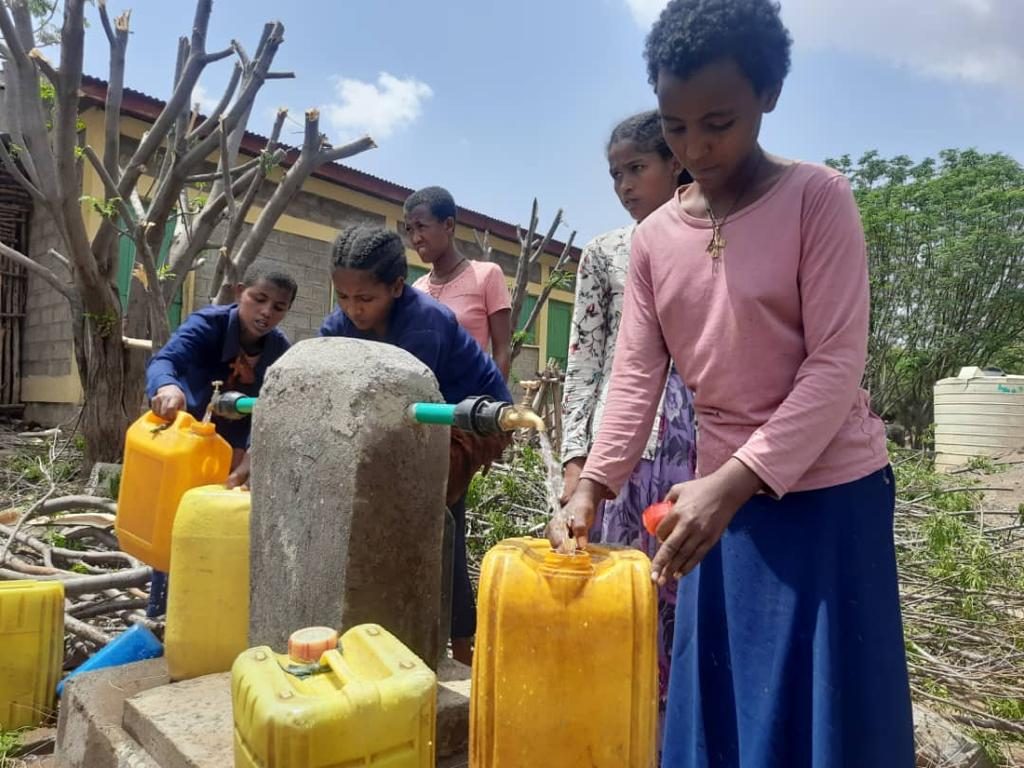
Clean water reaches the schoolyard at last.
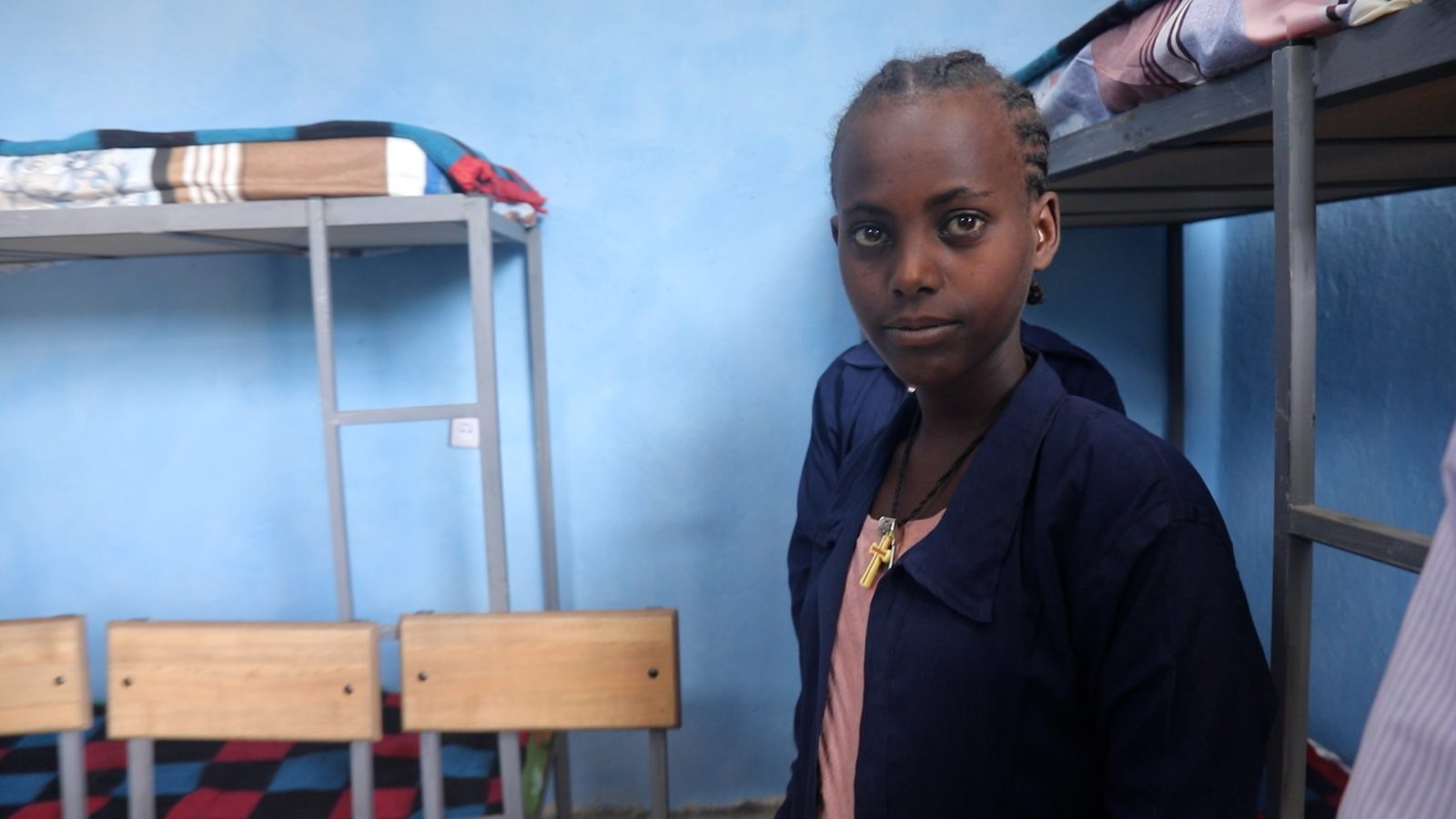
A safe place to live, so the long walk no longer ends her schooling.
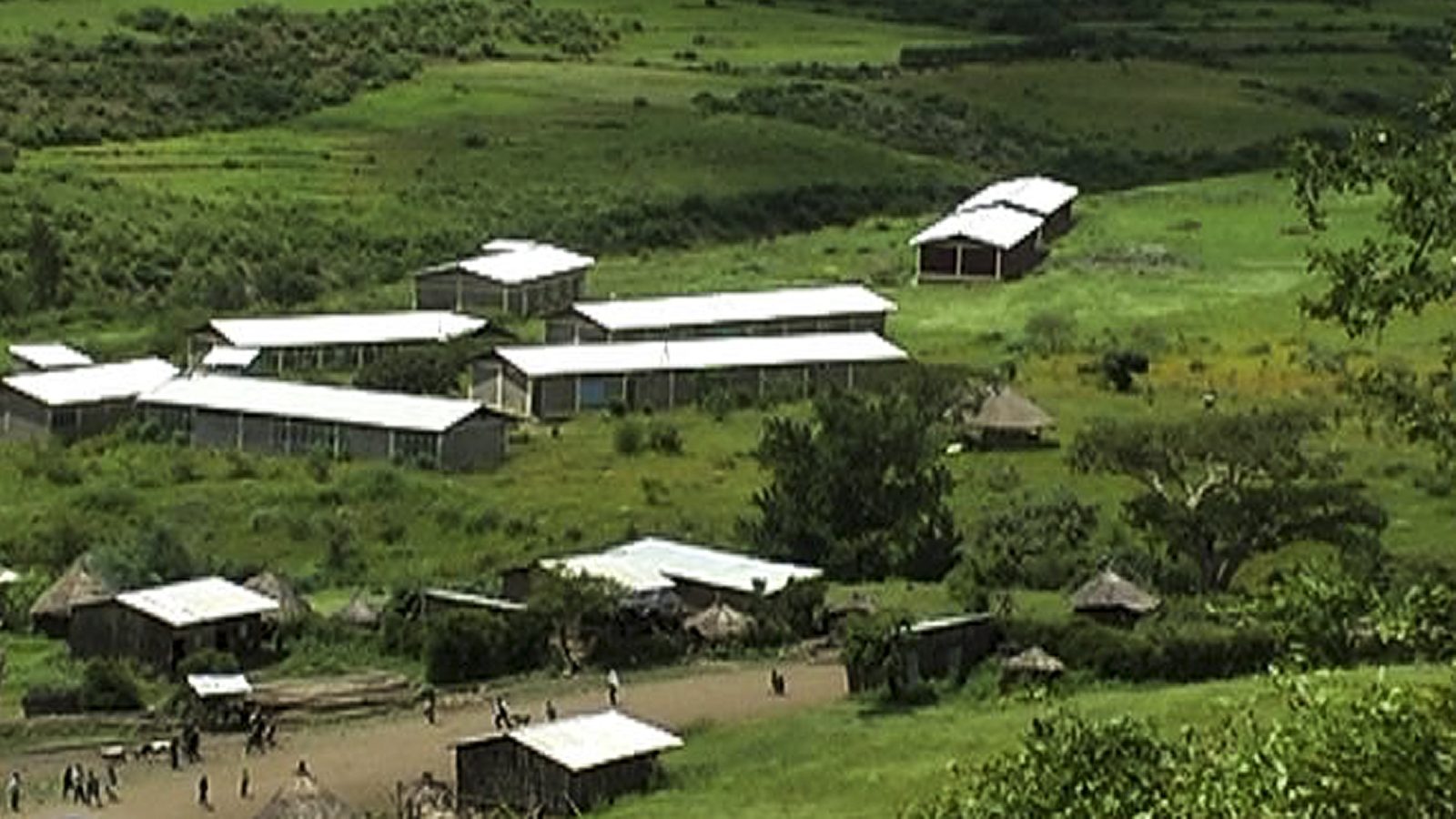
A school on the high ground — built where there was none. Today it teaches close to 1,000.
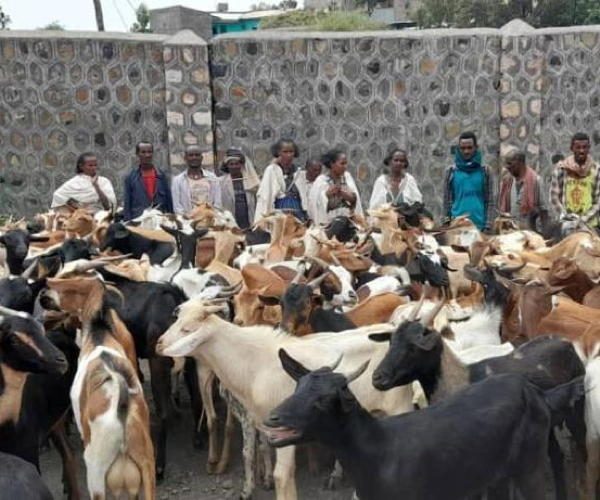
Goats for displaced families — herds that multiply tenfold, milk and a living restored.
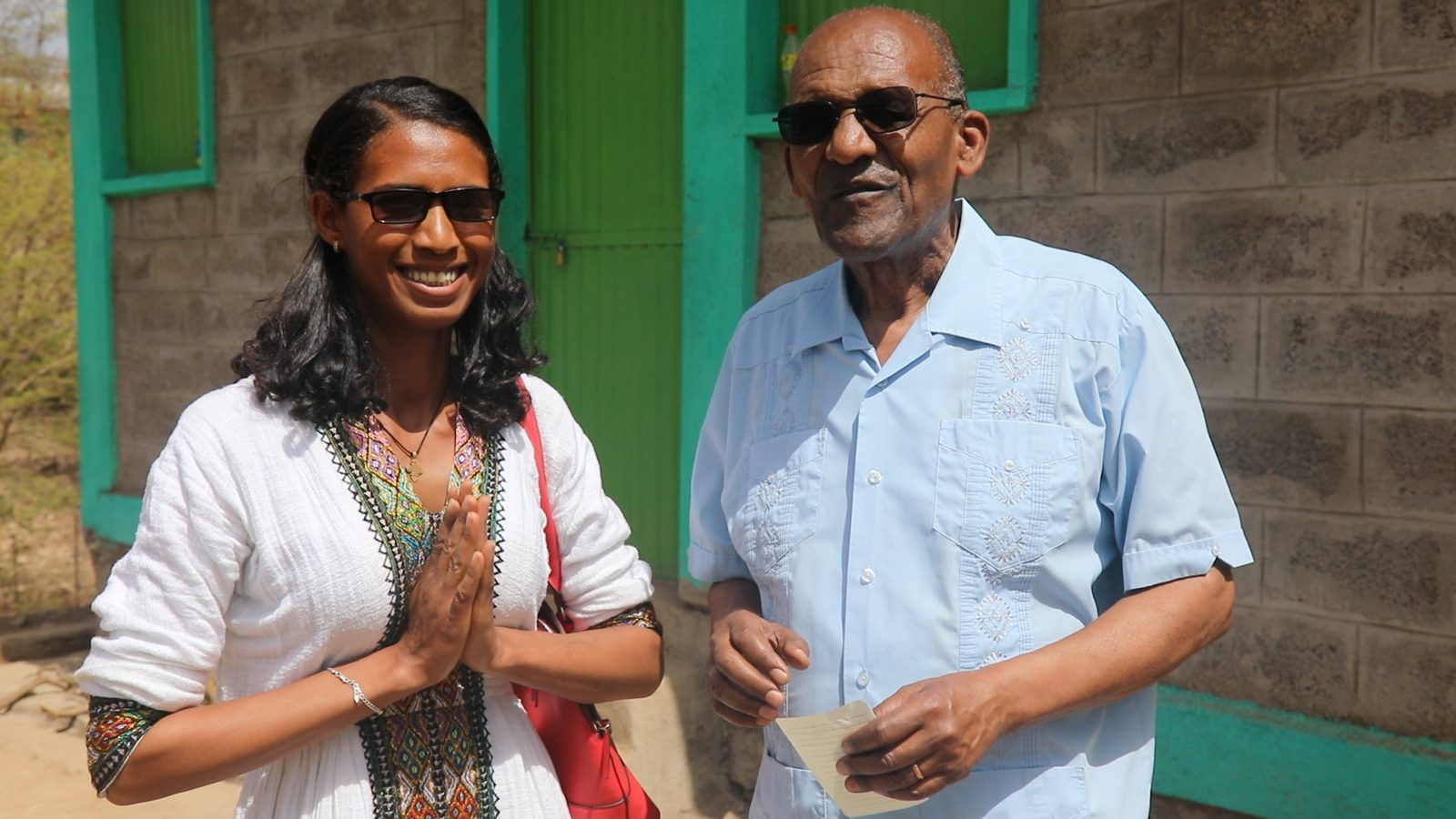
Adugnaw with a student of the school — hear her story below.
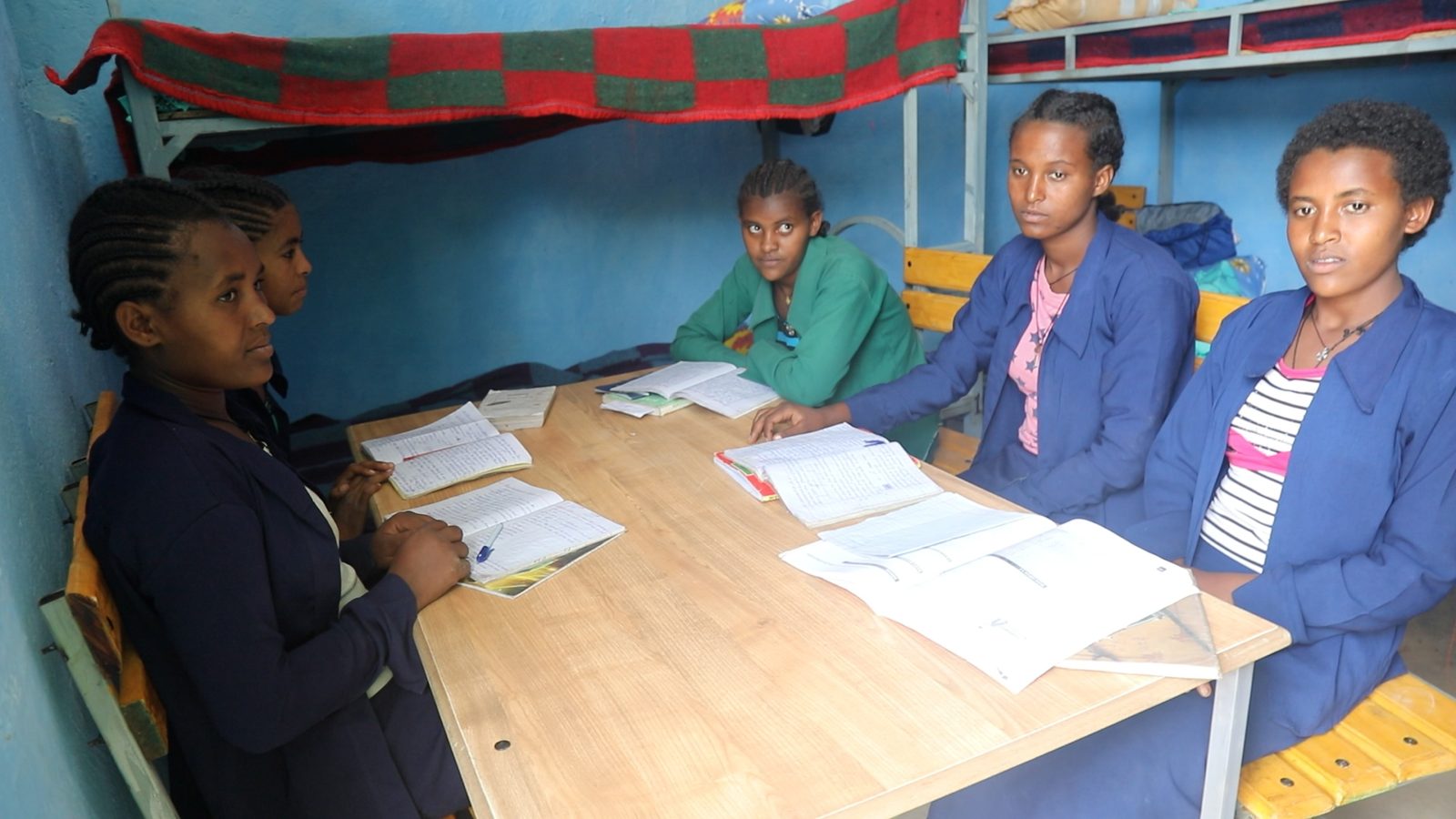
Study time, finally — a safe room and a steady light.
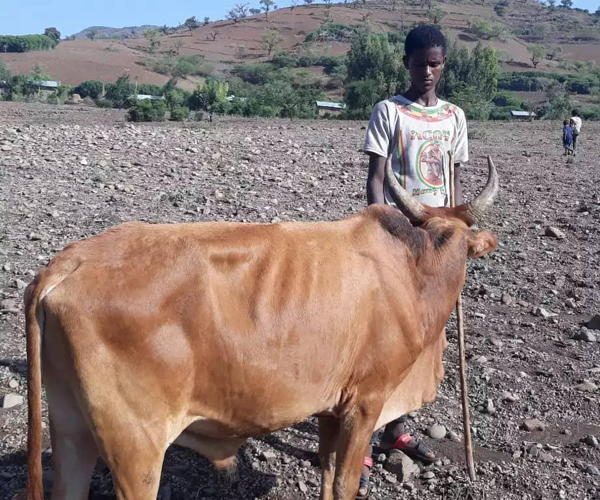
An ox to plow with — a resettled family begins again.
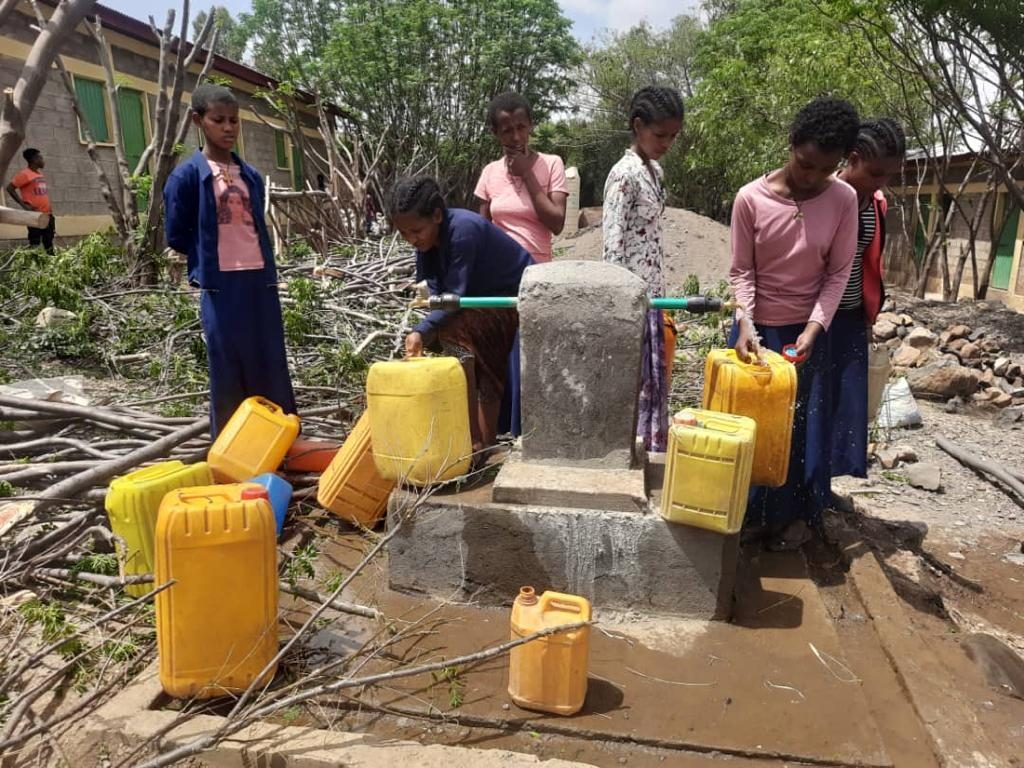
Where 90% once drank from rivers — eight wells now serve 74,000+ people.
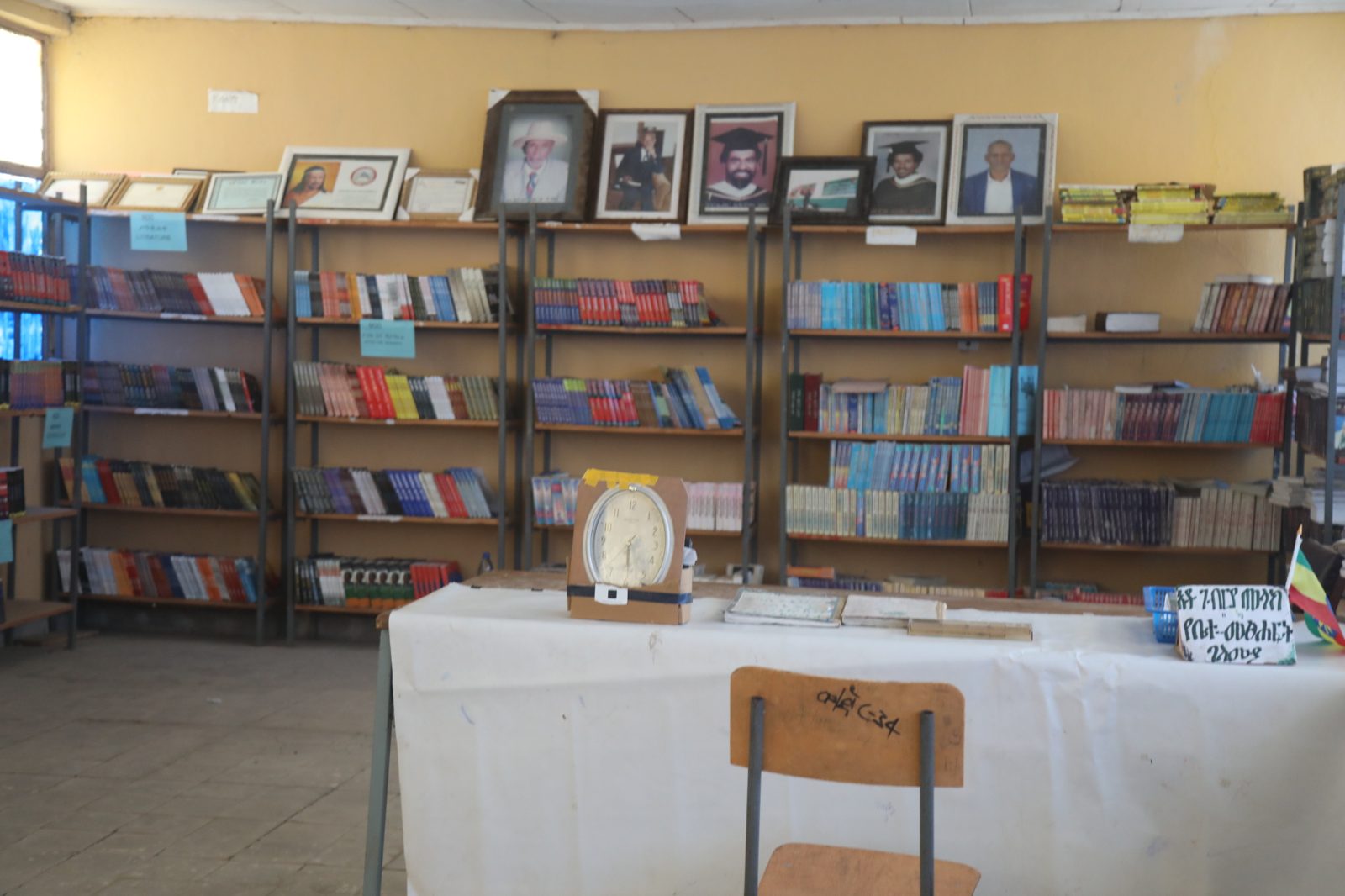
The school library — books, and the story of the man who built it.
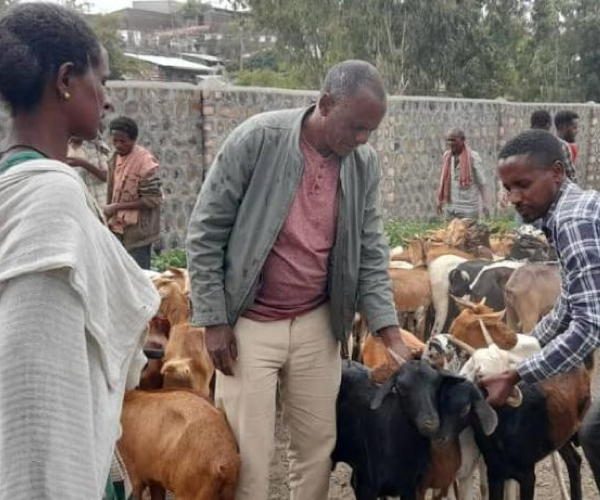
Handed over, family by family.
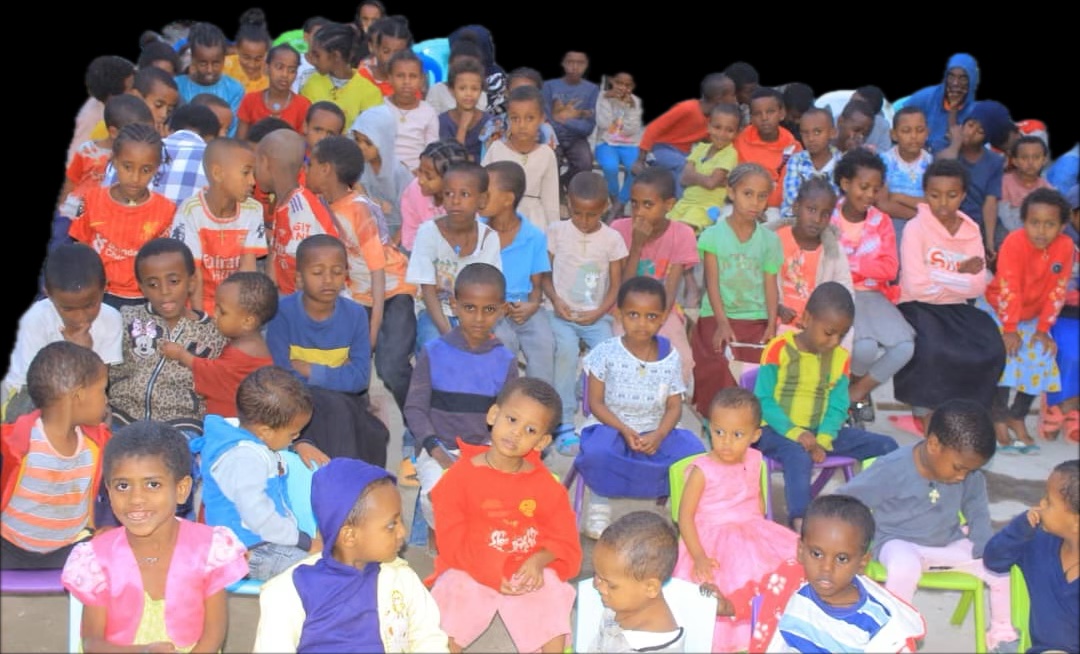
The newest work — rescuing homeless and orphaned children. 355 supported so far.
“Water gushed out of the ground in a mighty way — at the rate of thirty liters per second. More than was hoped for.”
0
girls housed in safe dormitories
0
pairs of reading glasses fitted and given
0
women trained to make their own sanitary pads
0
homeless children and youth supported today
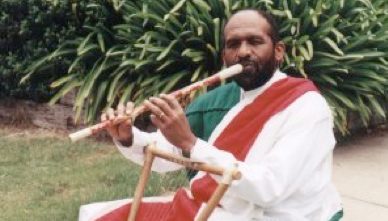
Adugnaw “Adu” Worku — founder & CEO poet · musician · librarian
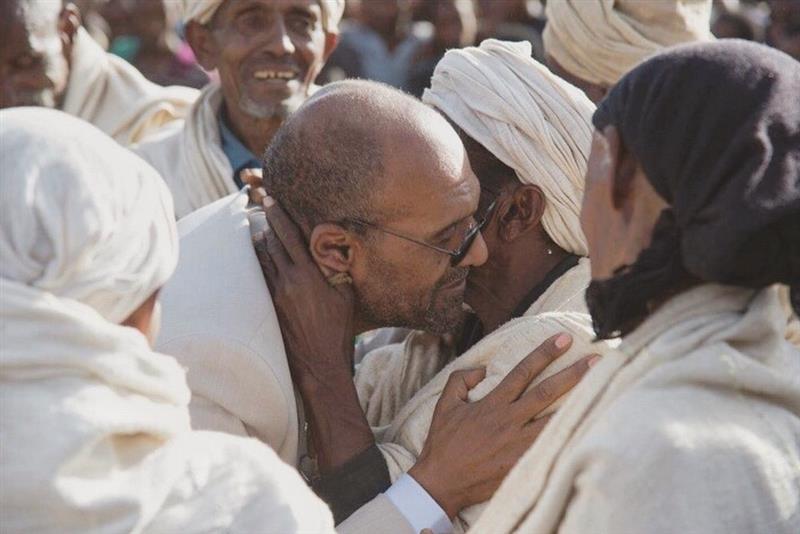
His return after decades away — “an unbelievable welcome.”
The founder
Age seven
A shepherd boy in northwest Ethiopia, son of peasant farmers, tending livestock in the hills above his village.
Age nine
Leaves home without his father's permission and enrolls himself in a priest school. Education had already chosen him.
Age fifteen
An accident leaves him partially blind. Seeking treatment in Debre Tabor, he sees schoolchildren in uniform — and with two birr in his pocket, goes door to door trading work for food, shelter, and the chance to learn.
Grade eight at 22 · high school at 26
Then three graduate degrees in America and an honorary doctorate — retiring as Librarian Emeritus of Pacific Union College in Angwin, California.
Home again
He returns to build a high school in his home village — today it teaches close to 1,000 students a year. In 2016 the Zoz Amba Foundation grew from that homecoming, and now carries eleven projects across the highlands.
“It is more blessed to give than to receive.” — Adugnaw Worku
Stories on film
Some stories are best told in moving pictures and voices. Two short films from the highlands — with more on the foundation's channel.
The Homecoming
The boy who left the highlands in search of a textbook returns, decades later, to the village that raised him.
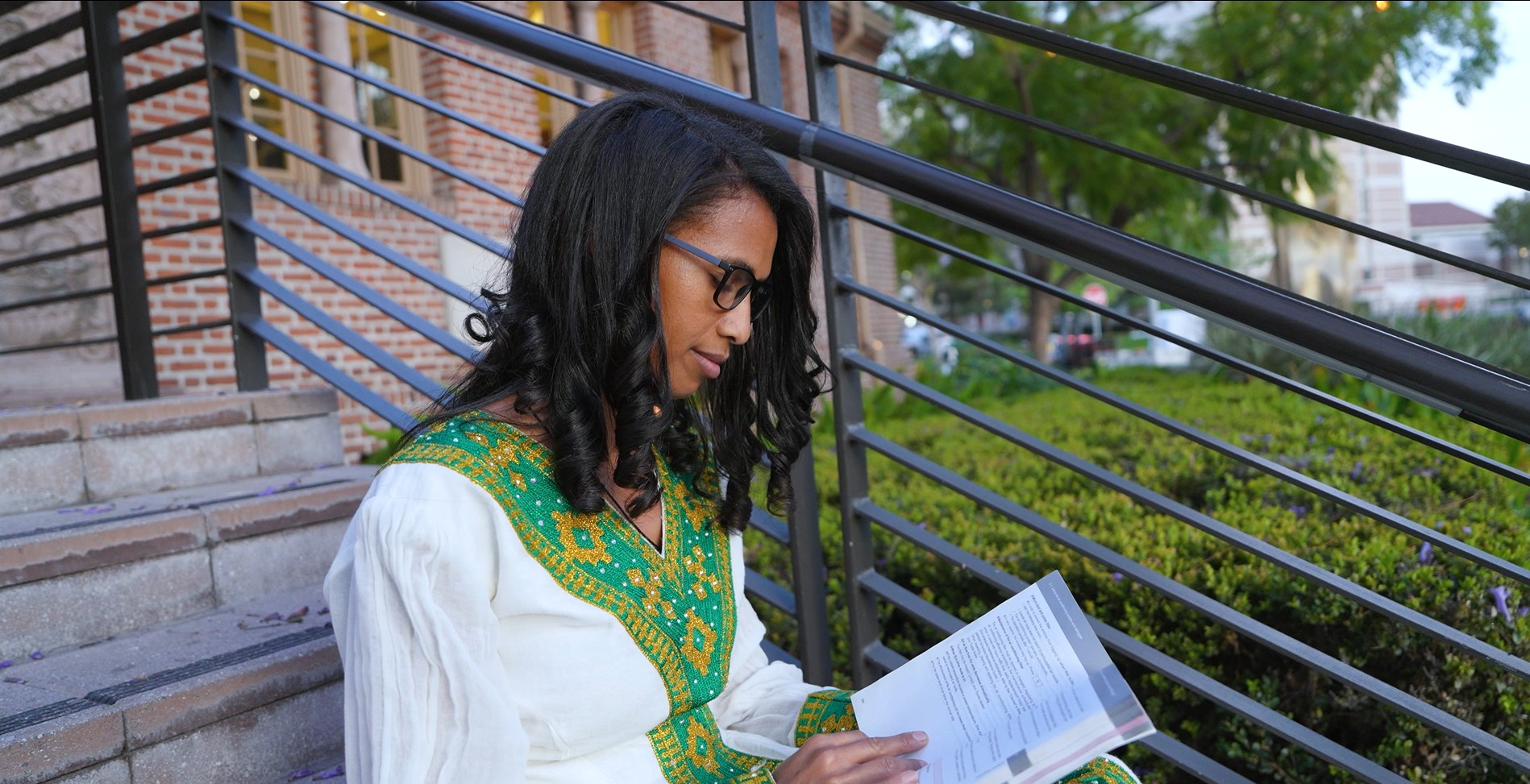
A Student's Story
In AmharicOne girl from the dormitory — what a safe place to live and study changed for her, in her own words.
Field notes
Trust is part of the work. Every project is counted, photographed, and written up for the people who funded it — here is the most recent season.
Completed
The drilled well struck water at 30 liters per second — more than was hoped — and it now runs by pipe to the classrooms that once depended on a drying creek.
Emergency response
Food assistance for 80,000 people displaced by war — then oxen, seed, and goats so 136 farming families could resettle and plant again.
Pilot campaign
10,091 blind farmers had their sight restored through cataract surgery, and 20,000 more were fitted with reading glasses — a partnership with three university medical centers.
Already a donor? Ask to be added to our project updates and we'll write to you each season with what your gift built.
Get project updatesZoz Amba Foundation is a 501(c)(3) nonprofit. Every donation is tax-deductible and receipted, and the work it funds is counted, photographed, and reported.
With gratitude to our sponsors, including SPK and Associates
Give by mail
Zoz Amba Foundation
P.O. Box 621
Angwin, CA 94508